Anatomy and Physiology
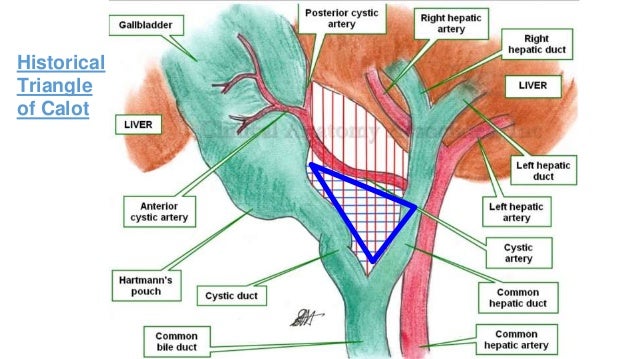
General Considerations in Biliary Tree Pathophysiology
Symptoms
Laboratory tests
Imaging studies
Bacteriology
Benign Biliary Disease
Calculous Biliary Disease
Chronic Cholecystitis
Acute Calculous Cholecystitis
Choledocholithiasis
Gallstone Pancreatitis
Biliary Dyskinesia
Sphincter of Oddi Dysfunction
Surgery for Calculous Biliary Disease
Postcholecystectomy Syndromes
- Cystic duct stump syndrome
- SOD stenosis and SOD dyskinesia, and biliary dyskinesia
- Bile leak (??? ??) ~1?
- ?? ???? ? ???? fluid collection ?? ? ERCP + PerQ drain ? stent ? 6-8? ? ??
- Cystic duct stump? ?? bile leak
- ERCP ?? ????? EST c stent insertion ?? ??.
- Bile duct injury (??? ??) ~ ???
- ???? ??, ??+?? ? cholangiogram
- ?? ? ??? CBD, CHD? ??
- ?? ?? 50% ?? ??: ?? ?? + T-tube ??
- ?? ?? 50% ?? ??: Roux-en-Y choledocholjejunostomy (hepaticojejunostomy)
- ?? ??? ?? ??
- ??? ????? PTBD ??
- ?? ?? ?? ??? ???? 6-8? ? Roux-en-Y ? ??? ???.
- Bile salt-induced diarrhea and gastritis
- ~10% of patients post-cholecystectomy
- Pathophysiology
- Bile acid enters the small intestines more rapidly, which can overwhelm the resorptive capacity of the terminal ileum
- Unresorbed bile acid then spills into the colon, causing mucosal irritation and secretory diarrhea.
- Clinical features
- Diarrhea that persists despite fasting (eg, nocturnal diarrhea)
- Unremarkable lab.
- Management
- Bile-acid resins, including cholestyramine, colestipol, and colesevelam
Noncalculous Biliary Disease
Malignant Biliary Disease
Gallbladder Cancer
Bile Duct Cancer

Klatskin tumor
- Surgical option
- Type I: Local excision
- Type II: Local excision + caudate lobectomy
- Type IIIa: Ext. RHH (I, V, VI, VII, VIII)
- Type IIIb: Ext. LHH (I, II, III, IV)
?? ? ???? ?? ?? ???? ????.
- ??? ???
- ?? ???? ???? ??? ?? ??? ???? ?? ?? ??? ?? ?? ??.
- ?? ? 2-4? ?? ??
- ?? ? ??? ???
- Bilirubin? 2-3??? ??? ?? ??? ??.
- PTBD, ENBD ? ?? ???: ??? ?? ??
- ERBD: ?????
Periampullary cancer
Courvoisier’s sign (+)
- Surgical option
- Proximal: Bile duct resection
- Distal: Whipple’s op (PD) or PPPD
Leave a Reply